
Every home eventually sends out quiet signals before something expensive fails. It might be a slight delay when the air conditioner turns on during a muggy July afternoon, a faint discoloration along the drywall seam near a second-story window, or water that takes just a few seconds too long to drain from the kitchen sink. Most homeowners notice these minor quirks, mentally file them away for later, and carry on with their week.
The trouble is that homes rarely heal themselves. Small, unchecked issues gradually compound into structural damage, emergency weekend repair bills, and premature replacement cycles. Shifting your approach from reactive emergency response to proactive property care is the single most effective way to protect your long-term household budget. By evaluating your property’s core systems on a regular schedule and intervening before minor wear turns into major breakdown, you can keep operational costs low and preserve your property’s total equity for decades to come.
Fortifying the Protective Envelope of Your Exterior Structures

When rain falls, your home relies on a coordinated defense system to keep moisture far away from framing, insulation, and interior finishes. When water finds even a microscopic entry point at the roofline, it slowly destroys timber, degrades insulation values, and creates breeding grounds for organic growth long before a drop ever drips onto your living room ceiling. Protecting this barrier requires a disciplined eye for detail every spring and autumn.
Start by examining the critical failure points where different materials meet. Valleys, sidewalls, and areas surrounding vent pipes rely on metal flashing to redirect water flow. Over time, expansion and contraction from seasonal temperature changes can break the sealant bonds around these flashing boots. Walk your perimeter with a pair of binoculars to look for raised edges, missing granules on asphalt shingles, or sagging fascia boards. Catching these warning signs early allows you to perform targeted maintenance on existing materials before moisture penetrates the underlying decking.
Eventually, every material reaches the absolute end of its engineered service lifespan. Patching a system that has lost its structural integrity across more than thirty percent of its surface area often yields diminishing returns, leading to a cycle of endless spot repairs. When shingles become brittle and lose their protective granule coating entirely, bringing in a certified roof replacement contractor ensures that the entire decking, underlayment, and ventilation system get updated to modern energy standards. Choosing high-performance architectural materials or standing-seam metal options during a major overhaul may carry a higher upfront investment, but it drastically reduces annual maintenance demands and protects your foundation from structural water runoff for decades. Installing quality modern residential roofing also lowers your home’s cooling burden during peak summer months by properly reflecting solar radiation rather than absorbing it into your attic space.
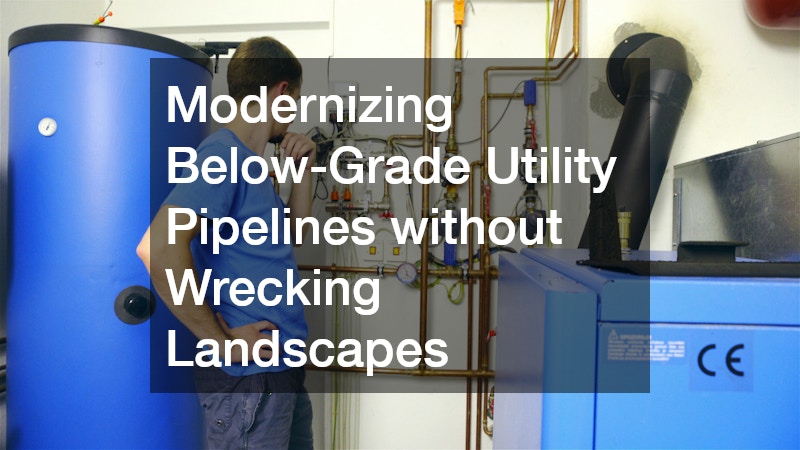
Modernizing Below-Grade Utility Pipelines without Wrecking Landscapes
Early Identification of Deep Utility Failures
Underground utility pipes are easy to forget because they operate out of sight, but they carry some of the highest potential repair costs on any residential property. Older clay, cast iron, or early plastic drain pipes are constantly subjected to soil movement, ground freezing, and aggressive tree root systems searching for moisture. A single hairline crack in an underground main line invites fine root hairs to enter. Once inside, these roots feed on the nutrient-rich water, expanding into dense masses that catch debris, slow down drainage, and eventually cause total pipe collapse.
Non-Invasive Restoration Techniques
Historically, fixing a compromised underground sewer line meant hiring heavy machinery to excavate a deep trench straight through your yard. This traditional method destroyed mature trees, tore up paved driveways, and left homeowners with thousands of dollars in secondary landscaping restoration costs.
Modern technology has fundamentally changed this process through no-dig restoration methodologies:
- A technician inserts a flexible, resin-saturated felt tube into the damaged pipe through a single small access point.
- The tube is inflated using air or water pressure, forcing the liquid resin tightly against the interior walls of the old, cracked pipe.
- Heat or ultraviolet light cures the resin, turning it into a solid, seamless pipe-within-a-pipe that resists future root intrusion.
Choosing modern trenchless sewer repair saves both your yard and your budget. The resulting seamless epoxy lining eliminates joints where roots typically enter, restoring full hydraulic capacity without disturbing your lawn, custom stonework, or established flower beds.
Optimizing Heating and Cooling Equipment for Maximum Operating Efficiency

Maintaining an efficient climate control system is less about major overhauls and more about establishing simple, non-negotiable routine habits. Think of your heating and cooling setup like a high-performance vehicle: running it with dirty air filters or low refrigerant fluid forces the compressor and fan motors to work significantly harder, dramatically shortening their operational lifespans while spiking your monthly energy bills.
To keep your equipment running smoothly and avoid sudden system meltdowns on extreme weather days, establish a strict routine around these crucial maintenance checkpoints:
- Replace Return Air Filters Bi-Monthly: Clogged filters starve your blower motor of air, causing evaporator coils to freeze over and pushing electrical draw to dangerous levels.
- Maintain Outdoor Condenser Clearances: Keep at least two feet of clear space around your outdoor unit. Trim back encroaching bushes, tall grass, and fallen leaves that restrict airflow through the delicate aluminum fins.
- Gently Clean Coils Annually: Wash away atmospheric dust, pollen, and lawn debris from the exterior condenser coils using a low-pressure garden hose spray directed downward through the fins.
- Verify Condensate Line Drainage: Pour a cup of regular white vinegar down the indoor condensate drain line twice a year to clear out algae buildup and prevent water backup damage around indoor air handlers.
- Install a Smart Programmable Thermostats: Program temperature setbacks during hours when the house is empty to reduce total equipment run cycles without sacrificing indoor comfort when you return home.
Beyond these simple routine checks, schedule an expert multi-point tune-up with a certified local AC service at least once a year. A licensed technician can measure electrical draw on motors, test system refrigerant pressures, inspect contactor points for pitting, and verify safe amp draws. Spotting a failing capacitor or a micro-leak in the copper coils during a routine spring checkup costs a fraction of replacing a burned-out compressor in the middle of a heatwave.
Maintaining Outdoor Hardscapes and Integrated Aquatic Features

Paved outdoor living spaces, walkways, and swimming pools add substantial value to a property, but they are constantly exposed to water, UV radiation, and ground movement. Leaving these surfaces unsealed or ignoring tiny structural shifts allows minor wear to snowball into expensive reconstruction projects.
Interlocking stone driveways and stone patio surfaces require careful joint maintenance to stay flat and stable. When joint sand washes out, rainwater collects between pavers, saturating the aggregate base underneath. During winter freeze-thaw cycles, trapped water expands, pushing individual stones out of alignment and creating dangerous trip hazards. Applying polymeric sand to clean joints locks the stones together and blocks weed growth. Following up with a breathable, deep-penetrating sealer protects stone faces from spalling and salt damage. When extensive ground settling causes widespread pooling or severe stone displacement, bringing in a experienced paver contractor ensures the sub-base is properly excavated, regraded, and compacted to prevent future shifting.
Similarly, in-ground pools require consistent oversight to protect their expensive mechanical pumps and concrete shells. Unbalanced water chemistry—specifically skewed pH levels or low calcium hardness—causes water to aggressively draw minerals directly out of pool plaster and metallic pump impellers. Keeping your water balanced prevents surface pitting and protects delicate internal plumbing seals. At the first sign of drops in water levels, structural plaster cracks, or pump motor grinding noises, calling a professional pool repair company prevents minor water loss from eroding the surrounding soil deck or burning out expensive filtration equipment.
Upgrading Interior Plumbing Systems to Stop Silent Water Waste
Few things destroy a home’s framing and finishes faster than persistent water leaks. While a burst pipe makes an immediate mess that gets handled right away, slow, hidden leaks often do far more financial damage over time because they go unnoticed for months behind cabinets and subflooring.
Taking a weekend to methodically check under every sink, behind washing machines, and around appliance connections is one of the highest-return activities a homeowner can perform. Look for green corrosion on copper fittings, water staining on cabinet bottoms, or soft spots on surrounding flooring. Replacing aging rubber washer hoses with braided stainless steel lines eliminates one of the most common causes of catastrophic home floods. Executing these basic, preventative plumbing repairs early protects your subflooring and keeps small dripping valves from ruining expensive cabinetry.
Toilets and water heaters are two of the biggest offenders when it comes to silent utility waste and unexpected property damage. A worn flapper inside a toilet tank can leak hundreds of gallons of clean water directly down the drain every day without making a sound, quietly doubling your monthly utility bill. Performing a quick toilet repair by swapping out aged fill valves, flappers, and supply lines costs very little and takes less than thirty minutes.
Water heaters also require regular attention. Over time, naturally occurring mineral sediment settles to the bottom of the storage tank, creating an insulating layer between the burner and the water. This forces the unit to run longer, degrades efficiency, and leads to hot spots that crack glass linings. Draining several gallons of water from the tank drain valve annually flushes out this abrasive sediment. If your unit shows heavy rust around the base or takes an excessive amount of time to recover heat, booking a timely water heater repair or replacing an old anode rod can extend the tank’s operational life by years and save you from an unexpected baseline failure.
Preserving Structural Masonry and Fireplace Chimney Integrity
Fireplace chimneys endure extreme conditions. They take the brunt of severe exterior weather at the highest point of your home while simultaneously withstanding high heat and corrosive flue gases on the inside. When water seeps into porous chimney bricks or mortar joints, freezing temperatures cause the water to expand, cracking the brick faces in a process known as spalling. Left unchecked, damaged masonry lets water run down inside the interior wall cavities, ruining insulation, rotting wood framing, and staining ceilings.
Preventing structural chimney failure starts with keeping water out of the flue entirely:
- Inspect the concrete chimney crown at the top of the stack annually for hairline cracks, sealing them with flexible elastomeric masonry caulk before water enters.
- Ensure a stainless steel chimney cap with integrated wire mesh is securely installed to block rain, leaves, and nesting animals from clogging the flue.
- Examine exterior mortar joints every fall, arranging for professional tuckpointing if the mortar crumbles when probed with a screwdriver.
- Schedule annual sweepings to clear combustible creosote deposits that build up along the inner flue liner, reducing thermal stress on the surrounding brickwork.
When you notice crumbling mortar, missing brick faces, or water dripping into the firebox after heavy rain, scheduling timely chimney repairs stops structural deterioration in its tracks. Repairing mortar joints and sealing exterior masonry costs a small fraction of rebuilding an entire collapsed chimney stack or repairing internal framing rot caused by long-term leaks.
Building a Sustainable Home Maintenance Routine
Managing a home does not require endless spending or constant anxiety over what might break next. By shifting your approach from reactive emergency response to systematic, preventative upkeep, you take full control of your property’s performance and long-term operating costs. Checking your home’s outer shell, looking after underground utility lines, keeping heating and cooling equipment tuned up, and fixing small plumbing or masonry issues early keeps small problems from turning into expensive disasters.
Take a walkthrough of your property this week with a fresh, critical eye. Make a simple list of minor fixes—a running toilet, a missing patch of joint sand on the patio, or an overdue HVAC filter change—and tackle them one by one. Building a consistent, manageable maintenance routine protects your monthly budget, keeps your living space safe and efficient, and ensures your home remains a valuable, reliable asset for many years to come.