Creating a home that promotes both safety and wellness is about more than aesthetic upgrades—it requires a holistic approach to structure, air quality, water safety, and overall environment. Every home has hidden vulnerabilities that develop over time: water damage behind walls, mold in basements, outdated electrical wiring, or poor air circulation. Left unaddressed, these issues can compromise physical health, mental well-being, and even long-term property value.
Homeowners often wait for visible damage or immediate discomfort before making changes, but proactive improvements prevent accidents, illnesses, and costly repairs. Strategic upgrades also increase daily comfort, boost efficiency, and create an environment where every family member can thrive. This guide dives into ten critical areas of home improvement, offering actionable steps to strengthen your living space and make it safer, healthier, and more sustainable.
Assess and Improve Indoor Air Quality Where You Sleep
The bedroom is arguably the most critical environment in the home for health and wellness, yet it is often overlooked when planning improvements. Airborne allergens, dust mites, and microbial growth accumulate over time, particularly in areas with poor ventilation. These contaminants can contribute to allergies, respiratory irritation, and disrupted sleep cycles, which in turn affect mood, concentration, and immune function.
Visiting trusted mattress stores ensures you select a product engineered to support health. Modern mattresses often feature hypoallergenic materials, antimicrobial layers, and breathable foams that minimize moisture retention and allergen buildup. Replacing mattresses every 7–10 years is a proactive strategy that improves sleep quality and reduces the accumulation of unseen hazards.
Proper bedroom air quality extends beyond the mattress itself. Using HEPA-filter vacuums, washing bedding frequently in hot water, and regularly airing out the room can significantly reduce airborne irritants. Adding indoor plants that naturally filter the air, ensuring window treatments don’t trap dust, and maintaining optimal humidity levels below 50% further enhance the environment. Small changes like these create a more restful, healthier space that promotes deep sleep, better immunity, and daily vitality.
Sleep is just one component; consider also the layout and decor. Minimizing clutter improves airflow, while low-allergen rugs and upholstery can reduce particle accumulation. Strategic ventilation, including ceiling fans or air purifiers, prevents stagnant air, making the bedroom a sanctuary that supports long-term health.
Maintain Heating Systems to Prevent Safety Hazards
Heating systems are essential for comfort, especially during cold months, but they also play a critical role in safety. Faulty furnaces or neglected maintenance can produce dangerous carbon monoxide leaks, reduced efficiency, and uneven heating. Many homeowners overlook routine inspections, leaving these systems vulnerable to silent hazards that may go unnoticed until it’s too late.
Scheduling professional furnace repair ensures that all internal components, including burners, heat exchangers, and ventilation, are functioning safely and efficiently. Technicians can detect cracks, leaks, or corrosion that could compromise indoor air quality or lead to carbon monoxide exposure. Regular inspection and maintenance extend system life, reduce energy costs, and safeguard household members.
Beyond professional servicing, simple homeowner practices improve safety and efficiency. Regularly changing filters, clearing vents, and ensuring proper insulation around ductwork reduces strain on the system. Installing carbon monoxide detectors near sleeping areas and mechanical rooms adds an essential layer of protection. Some modern systems even feature monitoring technology that alerts homeowners to anomalies in real time.
Additional improvements include evaluating vent and radiator placement to promote consistent heat distribution and avoiding furniture that blocks airflow. Maintaining your furnace also prevents unexpected breakdowns during extreme weather, protecting both health and property. A well-maintained heating system contributes to a home that’s consistently warm, energy-efficient, and safe year-round.
Protect the Home’s Structure From Water and Weather Damage
The roof is one of the first lines of defense against environmental damage, yet it is often neglected until leaks become visible. Weather-related wear and tear — shingle damage, broken flashing, or clogged gutters — can allow water to penetrate walls, ceilings, and insulation. Even minor leaks can lead to mold, structural weakening, and long-term property damage.
Addressing roof repairs proactively is crucial. Regular inspections, especially after storms, help homeowners identify curling shingles, gaps in flashing, or areas where debris has accumulated. Prompt repairs prevent small issues from escalating into extensive structural problems, saving thousands of dollars in the long run.
A strong roof also contributes to energy efficiency. Gaps, cracks, or leaks allow heat to escape in winter and cool air to escape in summer, increasing HVAC usage and utility bills. Ensuring proper insulation and ventilation in the attic protects both comfort and structural health. It also prevents moisture from accumulating in walls and ceilings, reducing the risk of mold, which can affect respiratory health and indoor air quality.
Homeowners should also consider roof material upgrades when possible. Modern, fire-resistant, and weatherproof shingles improve durability and long-term protection. Maintenance, such as cleaning gutters, trimming overhanging branches, and inspecting for animal damage, ensures the roof continues to perform effectively. By combining inspections, repairs, and preventive care, a roof becomes more than a shelter—it becomes a critical component of health and safety in the home.
Remove Hazardous Landscaping That Threatens Safety
Outdoor spaces are integral to a home’s safety, yet trees and overgrown landscaping can introduce hazards. Weak branches, decayed trunks, and invasive roots may threaten structures, power lines, and walkways. Storms can worsen these risks, leading to significant damage if preventative action is not taken.
Utilizing a professional tree removal service ensures that dangerous trees are addressed safely and efficiently. Experts assess tree health, structural integrity, and proximity to buildings, then determine whether trimming, stabilization, or full removal is necessary. Attempting tree removal without experience and equipment can result in serious injury or property damage.
Beyond immediate hazards, proper tree management enhances outdoor living. Removing compromised trees improves sunlight exposure and airflow, which helps keep moisture levels low and reduces the risk of pests and mold near the foundation. Pruning and removing dead limbs also contribute to curb appeal and can extend the life of surrounding plants by reducing competition for sunlight and nutrients.
Regular landscape inspections, particularly after storms or extreme weather events, help identify hidden risks. Combining professional services with ongoing monitoring allows homeowners to maintain a safe, functional, and aesthetically pleasing yard that protects both property and people.
Eliminate Hidden Moisture and Contaminants Indoors
Hidden moisture is one of the most common contributors to health risks in homes. Basements, bathrooms, and crawl spaces often retain excess humidity, creating ideal conditions for mold growth. Mold exposure can cause respiratory issues, allergic reactions, and other health problems, particularly for children, the elderly, or individuals with compromised immune systems.
Engaging professional mold removal services ensures that contamination is addressed thoroughly. Specialists identify moisture sources, contain affected areas, and remove mold using safe, effective methods. Surface cleaning alone is insufficient, as mold can penetrate drywall, insulation, and other building materials. Professional remediation prevents recurrence and protects the integrity of the structure.
Prevention after removal is equally important. Improving ventilation, sealing leaks, and maintaining controlled humidity levels help keep mold from returning. Using dehumidifiers, installing exhaust fans in bathrooms and kitchens, and monitoring for water intrusion are practical steps every homeowner can implement.
Additionally, consider materials that resist moisture, such as tile, water-resistant paint, and mold-resistant drywall. Regular inspections of plumbing, roof lines, and foundation walls allow homeowners to detect problems early. Addressing moisture proactively improves air quality, reduces health risks, and protects the home’s long-term structural integrity.
Upgrade Living Spaces With Safety-Focused Remodeling
Remodeling provides an opportunity to improve not just aesthetics but safety and accessibility. Many older homes contain narrow hallways, uneven flooring, or outdated electrical systems, all of which increase daily risk for injuries. Thoughtful remodeling can correct these deficiencies while enhancing comfort.
Professional home renovation services can guide homeowners through safety-conscious upgrades. Improvements might include slip-resistant flooring, updated electrical wiring, reinforced stair rails, and better lighting. Integrating these elements during remodeling prevents hazards that are difficult to correct later.
Renovation is also a chance to address accessibility needs for aging family members. Wider doorways, ramps, and strategically placed grab bars can make the home safer and more functional for everyone. Kitchen and bathroom remodels are particularly effective areas for incorporating these features.
Beyond safety, renovations should aim to improve overall energy efficiency and comfort. Adding insulation, upgrading HVAC systems, and optimizing natural light all contribute to a healthier living environment. By combining aesthetics with practical safety upgrades, homeowners create spaces that are functional, attractive, and protective for all occupants.
Ensure Clean, Safe Drinking Water Throughout the Home
Safe, clean water is foundational for health, yet many households rely on untreated or minimally filtered water. Contaminants such as chlorine, lead, or sediment may be present, affecting taste, skin health, and overall wellness.
Installing water filtration systems provides cleaner water for drinking, cooking, and bathing. Whole-house systems protect all water outlets, while targeted filters improve quality at sinks and refrigerators. This ensures consistent access to safe water, reducing exposure to contaminants.
Maintaining filters and replacing cartridges regularly is essential to effectiveness. In addition, checking plumbing for old pipes, leaks, or corrosion supports water safety and prevents future contamination. Consider combining filtration with water testing to confirm that your system removes the contaminants most relevant to your location.
Healthy water improves hydration, digestion, and skin condition. It also reduces reliance on bottled water, lowering household waste. By implementing comprehensive filtration and ongoing maintenance, homeowners ensure their water system supports long-term health and safety for the entire household.
Reduce Clutter to Minimize Accidents and Stress
Disorganized spaces increase the likelihood of trips, falls, and stress. Overfilled rooms, blocked walkways, and poorly stored items create hazards that can lead to daily injuries and long-term frustration.
Improving closet design enhances organization and reduces clutter. Features such as adjustable shelving, pull-out drawers, dedicated storage bins, and adequate lighting make it easier to access belongings safely. Optimized layouts prevent overloading surfaces and ensure heavy items are stored at safe heights.
Organized spaces also support mental clarity. A tidy environment reduces stress and helps maintain routines efficiently. Combining closet design with whole-home decluttering, proper labeling, and periodic reorganization reinforces safety, accessibility, and cleanliness.
Additionally, consider multifunctional storage solutions, like under-bed drawers or built-in shelving, to make the most of limited space. By proactively managing storage, homeowners create a calmer environment that minimizes accidents and improves daily life quality.
Strengthen Fire Prevention Measures Throughout the Home
Fire safety is a non-negotiable aspect of home protection. Kitchens, heating equipment, and electrical systems are common ignition points, making prevention and preparation essential.
Steps to fireproof your home include installing smoke detectors on each level, using fire-resistant construction materials, and maintaining clear exit routes. Routine checks of appliances, wiring, and heating systems reduce the risk of accidental fires. Fire extinguishers should be accessible and regularly inspected.
Planning and practicing escape routes with family members enhances preparedness. Installing fire-resistant doors, sealing gaps, and maintaining landscaping to reduce combustible material around the home are additional preventative strategies.
Educating all household members on fire safety, combined with practical improvements, significantly reduces the risk of property damage, injury, or worse. A home designed with fire prevention in mind prioritizes the well-being of both people and property.
Plan Transitions Carefully to Avoid Damage and Injury
Moving or relocating items introduces unique risks for both people and property. Heavy lifting, tight spaces, and disorganized planning can lead to accidents and property damage.
Using professional moving companies ensures that belongings are handled safely and efficiently. Experienced movers employ proper lifting techniques, protective equipment, and specialized tools to prevent injuries and preserve items during transitions.
Preparation is critical. Decluttering, labeling boxes, and planning room layouts reduce stress and avoid hasty decisions. Protecting fragile items with adequate padding and securing larger furniture minimizes risk.
A well-executed move supports safety, maintains the integrity of improvements already made in the home, and reduces physical and mental strain. Proper planning ensures a smoother, more controlled transition that maintains a healthy and organized living environment.
Creating a safe, healthy home is a continuous process requiring awareness, planning, and action. From indoor air quality to structural maintenance, water safety, and fire prevention, each improvement contributes to daily comfort and long-term protection.
Proactive care prevents accidents, protects health, and reduces costly repairs. Investing in thoughtful, strategic upgrades ensures that your home supports the people living in it now and adapts to future needs. By addressing hazards early, prioritizing functionality, and emphasizing both physical and mental well-being, homeowners can create spaces that are safe, comfortable, and sustainable for generations to come.
Creating a home that promotes both safety and wellness is about more than aesthetic upgrades — it requires a holistic approach to structure, air quality, water safety, and overall environment. Every home has hidden vulnerabilities that develop over time: water damage behind walls, mold in basements, outdated electrical wiring, or poor air circulation. Left unaddressed, these issues can compromise physical health, mental well-being, and even long-term property value.
Homeowners often wait for visible damage or immediate discomfort before making changes, but proactive improvements prevent accidents, illnesses, and costly repairs. Strategic upgrades also increase daily comfort, boost efficiency, and create an environment where every family member can thrive. This guide dives into ten critical areas of home improvement, offering actionable steps to strengthen your living space and make it safer, healthier, and more sustainable.

Assess and Improve Indoor Air Quality Where You Sleep
The bedroom is arguably the most critical environment in the home for health and wellness, yet it is often overlooked when planning improvements. Airborne allergens, dust mites, and microbial growth accumulate over time, particularly in areas with poor ventilation. These contaminants can contribute to allergies, respiratory irritation, and disrupted sleep cycles, which in turn affect mood, concentration, and immune function.
Visiting trusted mattress stores ensures you select a product engineered to support health. Modern mattresses often feature hypoallergenic materials, antimicrobial layers, and breathable foams that minimize moisture retention and allergen buildup. Replacing mattresses every 7–10 years is a proactive strategy that improves sleep quality and reduces the accumulation of unseen hazards.
Proper bedroom air quality extends beyond the mattress itself. Using HEPA-filter vacuums, washing bedding frequently in hot water, and regularly airing out the room can significantly reduce airborne irritants. Adding indoor plants that naturally filter the air, ensuring window treatments don’t trap dust, and maintaining optimal humidity levels below 50% further enhance the environment. Small changes like these create a more restful, healthier space that promotes deep sleep, better immunity, and daily vitality.
Sleep is just one component; consider also the layout and decor. Minimizing clutter improves airflow, while low-allergen rugs and upholstery can reduce particle accumulation. Strategic ventilation, including ceiling fans or air purifiers, prevents stagnant air, making the bedroom a sanctuary that supports long-term health.
Maintain Heating Systems to Prevent Safety Hazards
Heating systems are essential for comfort, especially during cold months, but they also play a critical role in safety. Faulty furnaces or neglected maintenance can produce dangerous carbon monoxide leaks, reduced efficiency, and uneven heating. Many homeowners overlook routine inspections, leaving these systems vulnerable to silent hazards that may go unnoticed until it’s too late.
Scheduling professional furnace repair ensures that all internal components, including burners, heat exchangers, and ventilation, are functioning safely and efficiently. Technicians can detect cracks, leaks, or corrosion that could compromise indoor air quality or lead to carbon monoxide exposure. Regular inspection and maintenance extend system life, reduce energy costs, and safeguard household members.
Beyond professional servicing, simple homeowner practices improve safety and efficiency. Regularly changing filters, clearing vents, and ensuring proper insulation around ductwork reduces strain on the system. Installing carbon monoxide detectors near sleeping areas and mechanical rooms adds an essential layer of protection. Some modern systems even feature monitoring technology that alerts homeowners to anomalies in real time.
Additional improvements include evaluating vent and radiator placement to promote consistent heat distribution and avoiding furniture that blocks airflow. Maintaining your furnace also prevents unexpected breakdowns during extreme weather, protecting both health and property. A well-maintained heating system contributes to a home that’s consistently warm, energy-efficient, and safe year-round.
Protect the Home’s Structure From Water and Weather Damage
The roof is one of the first lines of defense against environmental damage, yet it is often neglected until leaks become visible. Weather-related wear and tear — shingle damage, broken flashing, or clogged gutters — can allow water to penetrate walls, ceilings, and insulation. Even minor leaks can lead to mold, structural weakening, and long-term property damage.
Addressing roof repairs proactively is crucial. Regular inspections, especially after storms, help homeowners identify curling shingles, gaps in flashing, or areas where debris has accumulated. Prompt repairs prevent small issues from escalating into extensive structural problems, saving thousands of dollars in the long run.
A strong roof also contributes to energy efficiency. Gaps, cracks, or leaks allow heat to escape in winter and cool air to escape in summer, increasing HVAC usage and utility bills. Ensuring proper insulation and ventilation in the attic protects both comfort and structural health. It also prevents moisture from accumulating in walls and ceilings, reducing the risk of mold, which can affect respiratory health and indoor air quality.
Homeowners should also consider roof material upgrades when possible. Modern, fire-resistant, and weatherproof shingles improve durability and long-term protection. Maintenance, such as cleaning gutters, trimming overhanging branches, and inspecting for animal damage, ensures the roof continues to perform effectively. By combining inspections, repairs, and preventive care, a roof becomes more than a shelter—it becomes a critical component of health and safety in the home.
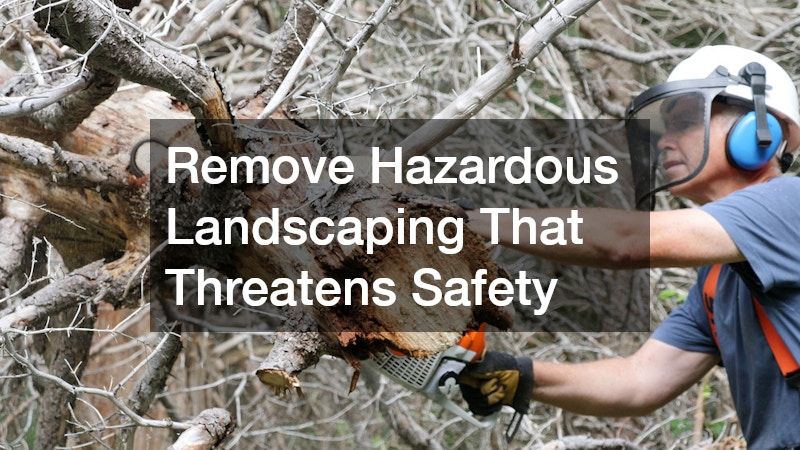
Remove Hazardous Landscaping That Threatens Safety
Outdoor spaces are integral to a home’s safety, yet trees and overgrown landscaping can introduce hazards. Weak branches, decayed trunks, and invasive roots may threaten structures, power lines, and walkways. Storms can worsen these risks, leading to significant damage if preventative action is not taken.
Utilizing a professional tree removal service ensures that dangerous trees are addressed safely and efficiently. Experts assess tree health, structural integrity, and proximity to buildings, then determine whether trimming, stabilization, or full removal is necessary. Attempting tree removal without experience and equipment can result in serious injury or property damage.
Beyond immediate hazards, proper tree management enhances outdoor living. Removing compromised trees improves sunlight exposure and airflow, which helps keep moisture levels low and reduces the risk of pests and mold near the foundation. Pruning and removing dead limbs also contribute to curb appeal and can extend the life of surrounding plants by reducing competition for sunlight and nutrients.
Regular landscape inspections, particularly after storms or extreme weather events, help identify hidden risks. Combining professional services with ongoing monitoring allows homeowners to maintain a safe, functional, and aesthetically pleasing yard that protects both property and people.
Eliminate Hidden Moisture and Contaminants Indoors
Hidden moisture is one of the most common contributors to health risks in homes. Basements, bathrooms, and crawl spaces often retain excess humidity, creating ideal conditions for mold growth. Mold exposure can cause respiratory issues, allergic reactions, and other health problems, particularly for children, the elderly, or individuals with compromised immune systems.
Engaging professional mold removal services ensures that contamination is addressed thoroughly. Specialists identify moisture sources, contain affected areas, and remove mold using safe, effective methods. Surface cleaning alone is insufficient, as mold can penetrate drywall, insulation, and other building materials. Professional remediation prevents recurrence and protects the integrity of the structure.
Prevention after removal is equally important. Improving ventilation, sealing leaks, and maintaining controlled humidity levels help keep mold from returning. Using dehumidifiers, installing exhaust fans in bathrooms and kitchens, and monitoring for water intrusion are practical steps every homeowner can implement.
Additionally, consider materials that resist moisture, such as tile, water-resistant paint, and mold-resistant drywall. Regular inspections of plumbing, roof lines, and foundation walls allow homeowners to detect problems early. Addressing moisture proactively improves air quality, reduces health risks, and protects the home’s long-term structural integrity.
Upgrade Living Spaces With Safety-Focused Remodeling
Remodeling provides an opportunity to improve not just aesthetics but safety and accessibility. Many older homes contain narrow hallways, uneven flooring, or outdated electrical systems, all of which increase daily risk for injuries. Thoughtful remodeling can correct these deficiencies while enhancing comfort.
Professional home renovation services can guide homeowners through safety-conscious upgrades. Improvements might include slip-resistant flooring, updated electrical wiring, reinforced stair rails, and better lighting. Integrating these elements during remodeling prevents hazards that are difficult to correct later.
Renovation is also a chance to address accessibility needs for aging family members. Wider doorways, ramps, and strategically placed grab bars can make the home safer and more functional for everyone. Kitchen and bathroom remodels are particularly effective areas for incorporating these features.
Beyond safety, renovations should aim to improve overall energy efficiency and comfort. Adding insulation, upgrading HVAC systems, and optimizing natural light all contribute to a healthier living environment. By combining aesthetics with practical safety upgrades, homeowners create spaces that are functional, attractive, and protective for all occupants.

Ensure Clean, Safe Drinking Water Throughout the Home
Safe, clean water is foundational for health, yet many households rely on untreated or minimally filtered water. Contaminants such as chlorine, lead, or sediment may be present, affecting taste, skin health, and overall wellness.
Installing water filtration systems provides cleaner water for drinking, cooking, and bathing. Whole-house systems protect all water outlets, while targeted filters improve quality at sinks and refrigerators. This ensures consistent access to safe water, reducing exposure to contaminants.
Maintaining filters and replacing cartridges regularly is essential to effectiveness. In addition, checking plumbing for old pipes, leaks, or corrosion supports water safety and prevents future contamination. Consider combining filtration with water testing to confirm that your system removes the contaminants most relevant to your location.
Healthy water improves hydration, digestion, and skin condition. It also reduces reliance on bottled water, lowering household waste. By implementing comprehensive filtration and ongoing maintenance, homeowners ensure their water system supports long-term health and safety for the entire household.
Reduce Clutter to Minimize Accidents and Stress
Disorganized spaces increase the likelihood of trips, falls, and stress. Overfilled rooms, blocked walkways, and poorly stored items create hazards that can lead to daily injuries and long-term frustration.
Improving closet design enhances organization and reduces clutter. Features such as adjustable shelving, pull-out drawers, dedicated storage bins, and adequate lighting make it easier to access belongings safely. Optimized layouts prevent overloading surfaces and ensure heavy items are stored at safe heights.
Organized spaces also support mental clarity. A tidy environment reduces stress and helps maintain routines efficiently. Combining closet design with whole-home decluttering, proper labeling, and periodic reorganization reinforces safety, accessibility, and cleanliness.
Additionally, consider multifunctional storage solutions, like under-bed drawers or built-in shelving, to make the most of limited space. By proactively managing storage, homeowners create a calmer environment that minimizes accidents and improves daily life quality.
Strengthen Fire Prevention Measures Throughout the Home
Fire safety is a non-negotiable aspect of home protection. Kitchens, heating equipment, and electrical systems are common ignition points, making prevention and preparation essential.
Steps to fireproof your home include installing smoke detectors on each level, using fire-resistant construction materials, and maintaining clear exit routes. Routine checks of appliances, wiring, and heating systems reduce the risk of accidental fires. Fire extinguishers should be accessible and regularly inspected.
Planning and practicing escape routes with family members enhances preparedness. Installing fire-resistant doors, sealing gaps, and maintaining landscaping to reduce combustible material around the home are additional preventative strategies.
Educating all household members on fire safety, combined with practical improvements, significantly reduces the risk of property damage, injury, or worse. A home designed with fire prevention in mind prioritizes the well-being of both people and property.

Plan Transitions Carefully to Avoid Damage and Injury
Moving or relocating items introduces unique risks for both people and property. Heavy lifting, tight spaces, and disorganized planning can lead to accidents and property damage.
Using professional moving companies ensures that belongings are handled safely and efficiently. Experienced movers employ proper lifting techniques, protective equipment, and specialized tools to prevent injuries and preserve items during transitions.
Preparation is critical. Decluttering, labeling boxes, and planning room layouts reduce stress and avoid hasty decisions. Protecting fragile items with adequate padding and securing larger furniture minimizes risk.
A well-executed move supports safety, maintains the integrity of improvements already made in the home, and reduces physical and mental strain. Proper planning ensures a smoother, more controlled transition that maintains a healthy and organized living environment.
Creating a safe, healthy home is a continuous process requiring awareness, planning, and action. From indoor air quality to structural maintenance, water safety, and fire prevention, each improvement contributes to daily comfort and long-term protection.
Proactive care prevents accidents, protects health, and reduces costly repairs. Investing in thoughtful, strategic upgrades ensures that your home supports the people living in it now and adapts to future needs. By addressing hazards early, prioritizing functionality, and emphasizing both physical and mental well-being, homeowners can create spaces that are safe, comfortable, and sustainable for generations to come.