Extreme seasonal weather has a habit of exposing every minor vulnerability in a home. When a severe summer heatwave strikes or a winter polar vortex rolls in, your home’s structural and mechanical systems work double duty to keep your family safe and comfortable. Unfortunately, this peak demand is precisely when components fail. Calling for help during a severe weather event often means long wait times, premium emergency labor rates, and the stress of living in an uncomfortable or unsafe environment while you wait for assistance.
Taking a proactive approach to property maintenance shifts you from a reactive, stressed homeowner to an empowered one. By addressing subtle signs of wear and performing targeted maintenance before extreme temperatures arrive, you dramatically reduce the likelihood of major system failures. Preparing your home does not require expert technical mastery; rather, it requires a keen eye for detail, basic routine care, and knowing when to call qualified professionals before a minor issue turns into a crisis.
When you take control of your property’s maintenance schedule, you also gain peace of mind. Knowing that your primary utilities, heating, and cooling networks have been thoroughly checked allows you to ride out unpredictable weather patterns without constant anxiety. Beyond immediate safety, this systematic oversight preserves your overall real estate investment, ensuring that tiny unaddressed vulnerabilities do not turn into major structural setbacks down the road.
Fortifying Your Home’s Primary Exterior Defenses
Inspecting and Reinforcing the Overhead Barrier
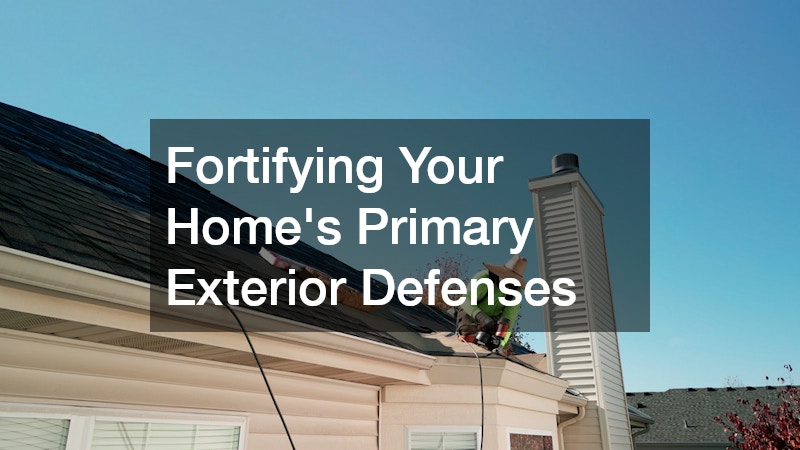
Your roof takes the brunt of every weather event, acting as the ultimate shield against torrential downpours, heavy ice build-ups, and intense sun exposure. Over time, UV rays degrade asphalt shingles, wind loosens flashing, and expanding ice widens microscopic cracks. Preventing catastrophic structural leaks during a storm begins with a comprehensive visual inspection at least twice a year. Walk your perimeter with a pair of binoculars to look for curling, missing, or misaligned shingles. Pay special attention to roof valleys and the flashing around chimneys, vents, and skylights, as these are the most common entry points for water. Clearing debris from gutters and downspouts ensures that heavy rainfall drains away quickly rather than backing up under the roofline. Diligent roof maintenance keeps small water intrusion risks from snowballing into thousands of dollars in interior ceiling, insulation, and drywall damage.
Regular exterior checks should also extend to eaves, soffits, and fascia boards. When gutters overflow due to organic blockages, trapped moisture rapidly rots adjacent wooden structures, creating invisible entry paths for pest infestations and hidden water damage. Catching these subtle signs early keeps your structural perimeter tight and moisture-free year-round.
Maintaining Outdoor Water Chemistry and Physical Barriers
Outdoor pools require a careful balance of physical protection and water management to endure seasonal changes intact. When winterizing or opening a pool, physical structural care goes hand in hand with chemical stability. Freezing temperatures cause unmanaged water to expand, which can crack pool plaster, rupture underground lines, and damage filtration pumps. Before closing a pool for the winter, lower the water level below the skimmer line, blow out the underground pipes, and install winterizing plugs. Maintaining proper water chemistry right up until the final shutdown prevents algae blooms, metal staining, and etching on pool surfaces during cold months. Getting your ph balance pool maintenance right before extreme cold sets in protects the integrity of the liner and pump system, ensuring that opening the pool when warm weather returns is a seamless, low-cost experience.
Imbalanced chemical levels do not just damage surface plaster; they actively corrode metal heat exchangers, pump seals, and ladder anchors over time. Taking the time to test total alkalinity, hardness, and chemical concentration before temperature shifts safeguards both the physical basin and its underlying plumbing infrastructure.
Protecting Critical Household Water Supply Systems
Securing Underground Water Sources and Delivery Equipment
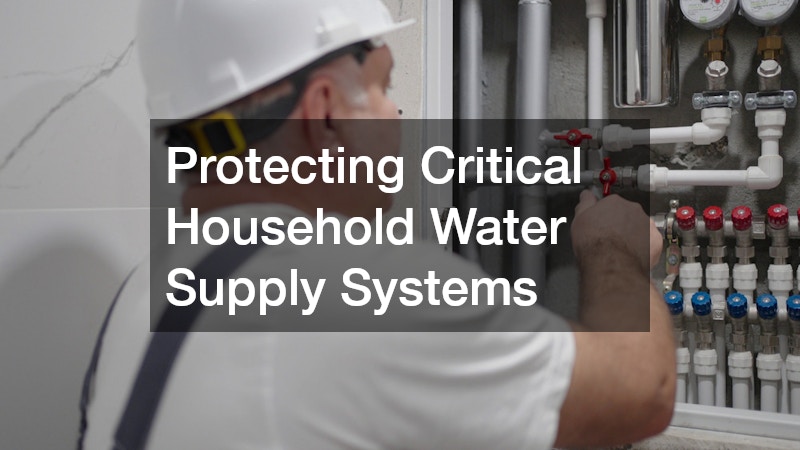
To safeguard your well system, follow a clear multi-step sequence:
- Inspect the Well Head and Seal: Examine the cap to ensure it is tightly sealed against surface runoff, insects, and freezing air. Verify that the sanitary seal remains intact to protect your drinking water supply from contamination.
- Evaluate the Pressure Tank and Switch: Observe the system through a full pumping cycle. Check that the pressure switch cuts in and out at the correct manufacturer settings and listen for unusual clicking or humming that indicates control relay wear.
- Protect Exposed Piping and Controls: Wrap exposed above-ground piping, valves, and electrical connections in thermal insulation or specialized heat tape. A reliable well pump maintenance service can test the motor’s electrical draw and pressure tank bladder integrity, stopping unexpected water loss during severe weather.
Beyond mechanical checks, keeping the area around your well head free of overgrown vegetation, debris, and standing water is essential. Clear access prevents surface runoff carrying pollutants from settling near the casing, protecting your water quality during intense rainfall events.
Mitigating Indoor Pipe Failures and Drainage Surges
Indoor plumbing systems suffer under extreme weather conditions, particularly during sudden freezing snaps or heavy summer rainstorms that overwhelm municipal sewers. A single burst pipe can release hundreds of gallons of water in hours, ruining flooring, furniture, and structural framing.
- Insulate At-Risk Pipes: Focus on unheated spaces like basements, crawlspaces, attics, and exterior walls. Use foam pipe sleeves or thermal wraps on all exposed supply lines.
- Disconnect Outdoor Hoses: Drain outdoor spigots and shut off interior isolation valves leading outdoors to prevent ice from expanding backward into indoor plumbing.
- Test Sump Pumps and Backflow Valves: Pour a bucket of water into your sump pit to ensure the float switch activates immediately and water discharges freely away from the foundation.
During severe winter freezes, leaving sink cabinet doors open allows warm room air to circulate around uninsulated interior pipes. When dealing with legacy plumbing, hidden leaks, or complex pipe re-routing, hiring a certified plumbing repair contractor ensures your system remains fully resilient against extreme pressure fluctuations and deep freezes.
Optimizing Air Circulation and System Efficiency
Clearing Internal Air Passages for Unobstructed Thermal Distribution
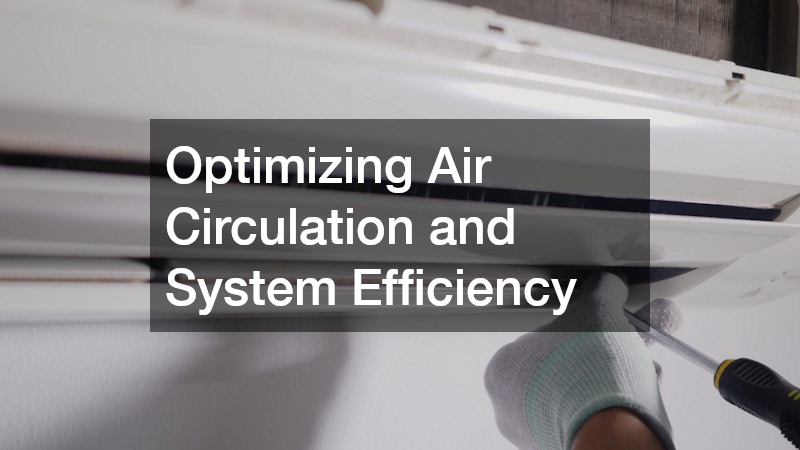
Consider a scenario where an unexpected late-summer heatwave pushes temperatures into the upper nineties. A family sets their thermostat to a comfortable degree, but within hours, the indoor temperature climbs while air coming from the vents weakens to a trickle. The system’s cooling coils have completely frozen over, turning the air handler into a block of ice. The culprit is often not a broken compressor, but simple neglect of the air distribution infrastructure. Dust, pet dander, and forgotten construction debris accumulate inside ductwork, restricting airflow and forcing the blower motor to work significantly harder. Over time, restricted air circulation starves heating and cooling units of the airflow they require to exchange heat properly. Exploring the benefits of air duct maintenance reveals that clean, well-sealed air passages improve indoor air quality, relieve mechanical strain, and lower monthly utility expenses.
Addressing ductwork issues also involves inspecting supply registers and return grilles throughout the home. Blocking vents with heavy furniture or window coverings disrupts balanced pressure, forcing the system to work harder to distribute conditioned air evenly across living spaces.
Conducting System-Wide Thermal Performance Audits
Experiencing a severe weather event with an inefficient heating or cooling setup makes maintaining a comfortable living space an uphill battle. Modern climate systems are complex ecosystems where a small issue in one component cascades into wider mechanical failure. Taking time before extreme seasons to review the health of your setup yields measurable comfort and financial dividends.
To keep your air handler operating smoothly throughout the season:
- Replace high-efficiency air filters every 60 to 90 days.
- Clean outdoor condenser coils using specialized spray cleaner.
- Verify thermostat calibration and update programming as needed.
- Clear a 2-foot perimeter around all outdoor units to ensure unrestricted airflow.
- Inspect electrical contactors for signs of pitting or burn damage.
It is equally important to inspect thermostatic expansion valves and electrical connections. Loose wiring or degraded connections can create electrical resistance, causing unexpected shutdowns right when thermal demand is highest. Prioritizing routine HVAC maintenance ensures these interconnected components operate efficiently together, catching worn belts, failing capacitors, and loose electrical connections long before severe weather puts your home to the test.
Fortifying Primary Heating and Cooling Systems
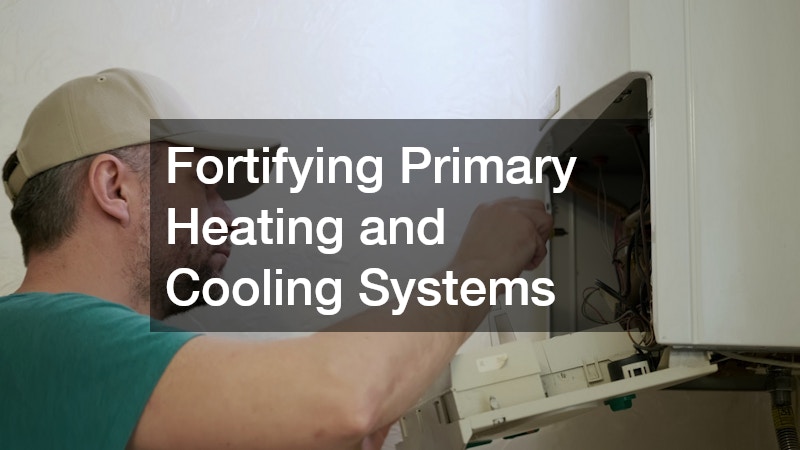
Preparing Central Cooling Units for High-Demand Heatwaves
During peak summer, an air conditioning unit runs for hours at a time to pull heat and humidity out of your home. When outdoor temperatures soar, compressor motors and fan assemblies work near their operational limits. Minor mechanical issues—such as low refrigerant levels, a dirty evaporator coil, or a degraded run capacitor—can cause the system to overheat and trip circuit breakers, leading to total cooling loss.
When your cooling system breaks down in the middle of a major heatwave, finding immediate service is challenging because technicians are overwhelmed with emergency calls. Addressing subtle warning signs early—like squealing belts, clicking noises on startup, or uneven cooling across different rooms—prevents minor wear from becoming a catastrophic failure. Timely ac system repairs keep essential components functioning smoothly, ensuring your home remains a cool sanctuary even during the hottest afternoons.
In addition to monitoring core mechanics, keeping condensate drain lines clear is critical. A clogged drain line can trigger safety float switches that shut down the entire cooling system, or worse, cause water to overflow into ceiling spaces and finished floors.
Evaluating Dual-Function Heating and Cooling Equipment
Dual-function systems offer incredible energy efficiency for both heating and cooling, but their reliance on year-round operation means their mechanical parts wear down twice as fast as single-purpose units. In summer cooling mode, heat is extracted from indoors and discharged outdoors. When the season changes, the reversing valve actuates to reverse the flow, allowing the system in winter heating mode to extract ambient heat from outdoors and deliver it inside. The reversing valve can stick if not serviced regularly, and defrost controls can fail in cold weather, causing the outdoor coil to ice over and restricting airflow.
When cold weather hits, auxiliary heating elements must engage smoothly to support the system during extreme dips in temperature. Testing these heat strips before cold snaps prevents sudden power spikes or system failure when temperatures plummet unexpectedly. Arranging professional heat pump repairs at the first sign of reduced airflow, strange shuddering sounds, or ice buildup prevents costly emergency breakdowns when you need heat the most.
Protecting High-Demand Machinery and Heating Units
Maximizing Furnace Reliability in Freezing Conditions
Imagine coming home during a severe winter storm only to discover that your house is rapidly dropping in temperature. The draft inducer motor hums, but the burners refuse to ignite, leaving your home exposed to freezing conditions. Furnace failures during extreme weather are often caused by neglected components like dirty flame sensors, clogged condensate drain lines, or worn igniters. Flame sensors accumulate thin layers of carbon over time; when this happens, the furnace controller cannot detect a flame and safely shuts down the system to prevent gas accumulation.
Inspecting combustion intake and exhaust pipes on modern high-efficiency furnaces is equally critical during winter storms. Drifting snow or ice dams can block these external PVC vents, cutting off air intake and automatically triggering system shutoffs. Cleaning internal components, testing safety limit switches, and checking the heat exchanger for cracks are essential steps to keep your home warm and safe. Taking care of furnace repair needs in the autumn ensures your heating system ignites reliably when the first deep freeze arrives.
Establishing Protective Strategies for Heavy Household Appliances
When extreme weather forces your family indoors for extended periods, your heavy appliances face increased demand. Refrigerators and freezers work harder when ambient indoor temperatures rise, while washing machines, dryers, and dishwashers handle increased daily use. Severe storms also bring power surges and brief outages that damage sensitive control boards and compressor motors.
- Install Whole-House Surge Protection: Protect expensive electronics and appliance control boards from severe electrical spikes caused by lightning or grid interruptions.
- Vacuum Condenser Coils: Clean the dust off the back or bottom of your refrigerator and freezer to maintain proper cooling efficiency.
- Check Water Supply Lines: Replace aging rubber hoses on washing machines and ice makers with braided stainless steel lines that resist bursting under pressure spikes.
Paying attention to door seals and gaskets on refrigeration units prevents air leaks that force compressors to run continuously. Developing a relationship with a trustworthy appliance repair company before an emergency occurs ensures you have reliable support when key household machinery needs attention.
Long-Term Value Through Proactive Home Upkeep
Protecting your home against the hardships of extreme seasonal weather is a continuous process of observation, routine care, and timely professional support. By taking a proactive approach to home maintenance, you transform unpredictable household expenses into predictable, manageable upkeep. Inspecting structural elements, protecting water systems, and servicing heating and cooling units before severe weather hits preserves your home’s integrity and secures your family’s daily comfort.
The financial benefits of preventative care extend far beyond avoiding emergency service fees. Well-maintained homes consume less energy, suffer fewer unexpected structural disruptions, and preserve interior finishes for decades. Creating a detailed seasonal logbook or digital reminder system helps you stay organized across every area of property upkeep. Investing time and attention into your home’s core systems today establishes a safe, efficient, and resilient foundation capable of withstanding whatever severe weather comes next.