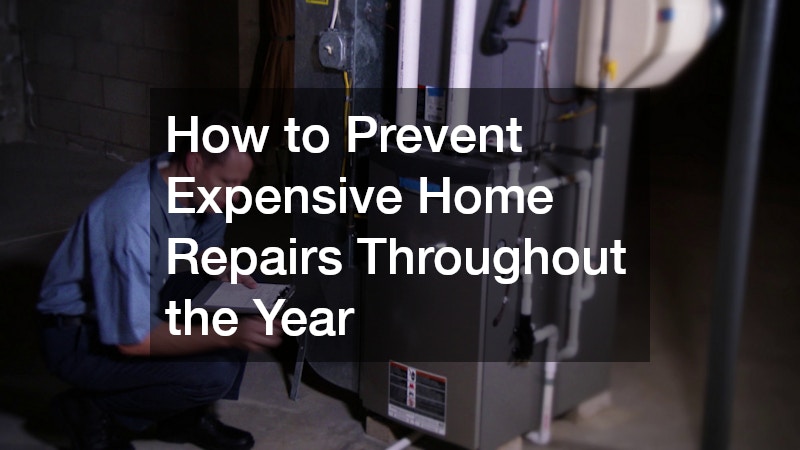
A home rarely falls apart all at once. Most expensive problems begin quietly, with a faint stain on the ceiling, a slow drip under a sink, a strange sound from equipment, or a door that starts moving differently than it used to. The challenge is that many homeowners do not notice these signs until they become urgent. By then, the repair usually costs more, takes longer, and may affect other parts of the house.
Preventing expensive home repairs throughout the year is less about doing everything perfectly and more about paying attention on a consistent schedule. A few minutes of checking, cleaning, testing, and documenting can make a major difference. The goal is to spot small changes early, protect major systems from unnecessary strain, and create a maintenance rhythm that fits real life.
A practical year-round plan should cover the systems that protect the home from water, weather, temperature swings, electrical demand, and daily wear. Some tasks can be handled by homeowners, while others require trained professionals. Knowing the difference is part of smart maintenance. The more proactive a homeowner is, the easier it becomes to protect comfort, safety, and long-term property value.
Inspect Water Systems Before Small Issues Become Major Problems
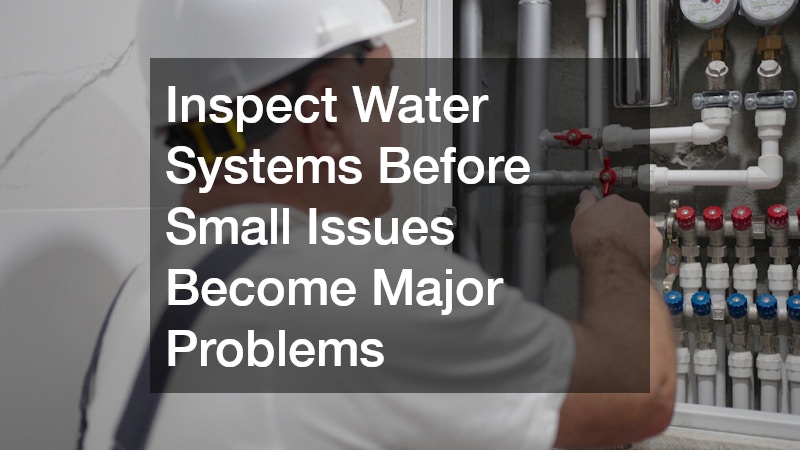
Water is one of the most damaging forces in a home when it ends up where it should not be. A small leak behind a wall, a slow outdoor drainage issue, or a neglected pool area can lead to rot, mold, foundation concerns, or damaged finishes. That is why water-related maintenance deserves regular attention throughout the year.
Routine drain cleaning is one of the easiest ways to avoid expensive plumbing problems. Slow drains are often caused by grease, soap residue, hair, and mineral buildup. Taking care of them before a complete blockage forms can prevent backups that damage cabinets, flooring, and drywall. Instead of relying on harsh chemicals, use drain strainers, flush drains when appropriate, and schedule professional drain cleaning if recurring problems develop.
If your property includes a swimming pool, regular pool maintenance is just as important. Cleaning debris, maintaining proper water chemistry, inspecting pumps and filters, and checking for leaks help extend the life of the equipment while preventing costly repairs to surrounding concrete and landscaping. Keeping water where it belongs is one of the simplest ways to protect your investment.
One habit that many experienced homeowners develop is performing a quick visual inspection every month instead of waiting for seasonal maintenance. It only takes a few minutes to walk through bathrooms, kitchens, laundry rooms, and utility spaces while looking for anything unusual. Water stains, peeling paint, swollen baseboards, or musty odors often appear long before major leaks become obvious. These subtle changes are easy to miss during everyday routines but become much easier to spot when homeowners intentionally look for them.
Outside the home, proper grading is equally important. Soil should slope away from the foundation so rainwater naturally drains away instead of pooling around the structure. Over time, landscaping can settle, creating low spots where water collects after storms. Correcting these drainage issues early can reduce the likelihood of foundation movement, basement moisture, and erosion around walkways and patios. Even something as simple as extending downspouts several feet away from the house can dramatically reduce long-term moisture problems.
Keep Heating and Cooling Equipment Operating Efficiently
Heating and cooling equipment works harder than almost any other mechanical system in the home. Without regular attention, efficiency drops, energy bills rise, and components wear out much sooner than expected.
Consistent HVAC maintenance begins with replacing air filters, keeping supply and return vents unobstructed, and scheduling professional inspections before peak heating and cooling seasons. These simple habits improve airflow, reduce unnecessary strain on the equipment, and help identify developing issues before they become emergencies.
Homeowners should also pay attention to early signs that air conditioning repair may be needed. Uneven temperatures, weak airflow, unusual noises, water around the indoor unit, or higher-than-normal utility bills can all point to developing problems. Addressing these concerns early often costs far less than replacing failed components during the hottest part of summer.
A simple seasonal routine includes:
- Replace or clean HVAC filters.
- Remove leaves and debris from outdoor units.
- Verify that all vents remain open.
- Test the thermostat before extreme temperatures arrive.
- Schedule HVAC maintenance if anything seems unusual.
Humidity also plays an important role in indoor comfort and equipment performance. During the cooling season, excess humidity forces air conditioning systems to work harder because the equipment must remove both heat and moisture from the air. Homeowners who notice persistent indoor humidity may benefit from having ductwork inspected for leaks or evaluating whether their system is properly sized for the home.
It is also worth paying attention to the outdoor unit throughout the year. Grass clippings, leaves, weeds, and shrubs can restrict airflow if they are allowed to grow too close. Keeping at least two feet of clearance around the equipment helps it release heat more efficiently. Avoid stacking gardening supplies or outdoor furniture against the unit, as blocked airflow reduces efficiency and increases wear on important components.
Address Cooling and Heating Problems Before They Become Emergencies
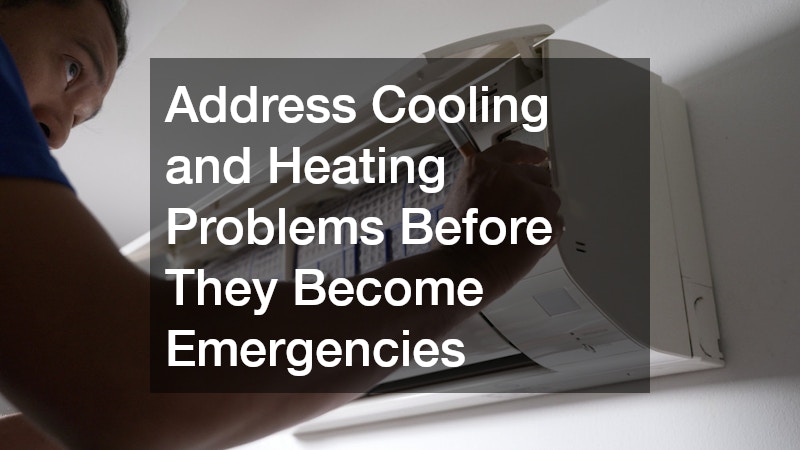
Many mechanical failures provide warning signs weeks or even months before the equipment stops working completely. Paying attention to those clues can save both money and inconvenience.
When homeowners notice inconsistent cooling, unusual vibrations, or systems that run much longer than normal, scheduling ac repair promptly is usually the smartest decision. What begins as a minor electrical issue, worn capacitor, or refrigerant problem can become compressor damage if left unresolved.
Heating systems deserve the same attention. Boiler repair should never be delayed when leaks, pressure fluctuations, banging noises, or inconsistent heating appear. Boilers rely on balanced pressure and proper circulation, and small problems can quickly become much larger if ignored through an entire heating season.
Keep the mechanical room clean and accessible, record maintenance dates, and note any changes in system performance. These habits help technicians diagnose recurring issues and make future maintenance more efficient.
Homeowners sometimes delay service because the equipment still appears to be working. However, mechanical systems rarely repair themselves. A fan motor that occasionally squeals, a pressure gauge that fluctuates, or a thermostat that seems slightly inaccurate can all indicate developing issues. Addressing these concerns during routine maintenance appointments is generally less disruptive than waiting for a complete system failure during periods of extreme weather.
Another helpful practice is learning what normal operation looks and sounds like. Spend a few minutes observing heating and cooling equipment while it is functioning correctly. Notice how long a normal cycle lasts, what sounds are typical, and how quickly rooms reach the desired temperature. When homeowners become familiar with normal performance, unusual behavior becomes much easier to recognize before significant damage occurs.
Protect the Roof From Weather-Related Damage
The roof protects nearly every other part of the home, making regular inspections one of the smartest maintenance habits a homeowner can develop.
After severe weather, inspect the property from the ground for missing shingles, damaged flashing, clogged valleys, loose vents, or fallen tree limbs. Indoors, watch for ceiling stains, peeling paint, damp insulation, or musty odors that could indicate water intrusion.
Prompt roof repair is almost always less expensive than waiting until leaks spread into insulation, framing, drywall, and flooring. Even a small damaged section can allow moisture to enter repeatedly, creating hidden structural problems over time.
Cleaning gutters, extending downspouts away from the home, and trimming overhanging branches are additional steps that reduce unnecessary stress on the roofing system throughout the year.
Attics provide another opportunity to identify roofing problems before they affect finished living spaces. On a sunny day, look for small beams of daylight entering through the roof structure, as these openings may allow water inside during storms. Check insulation for damp spots or compressed areas, and inspect wood framing for discoloration or mold growth. Even if there are no visible leaks inside the home, these warning signs deserve prompt attention.
Seasonal weather patterns also influence maintenance priorities. Homes in areas with frequent high winds should receive additional inspections after severe storms, while regions with heavy tree coverage may require more frequent gutter cleaning. Adjusting maintenance routines to local climate conditions helps homeowners stay ahead of the most common causes of roof deterioration.
Maintain Safe and Reliable Electrical Systems

Many electrical problems develop gradually rather than suddenly. Flickering lights, frequently tripped breakers, buzzing sounds, or warm outlets should never be ignored because they often indicate underlying issues.
As homes add more electronics, appliances, and charging stations, older systems may struggle to handle the increased demand. In some cases, electrical panel replacement becomes necessary to improve both safety and reliability. A licensed electrician can determine whether an upgraded panel is the best long-term solution for your home’s electrical needs.
Homeowners should also test GFCI outlets regularly, avoid overloading extension cords, label breakers clearly, and have the electrical system evaluated before adding major appliances or remodeling projects.
Many homeowners are surprised to learn that electrical safety also includes keeping equipment clean and accessible. Storage boxes, paint cans, cleaning supplies, and holiday decorations should never block access to the electrical panel. In an emergency, every second matters, and quick access can make a significant difference.
It is equally important to understand the limitations of older wiring. Homes built decades ago were not designed for today’s number of electronic devices, home offices, entertainment systems, and charging stations. As electrical demands continue to increase, periodic evaluations help ensure that the home’s electrical infrastructure remains capable of supporting modern lifestyles safely.
Stay Ahead of Everyday Wear and Tear
Many expensive projects begin as inexpensive fixes that were simply postponed.
Creating a seasonal inspection routine helps identify small home repairs before they become major restoration projects. Check weatherstripping around doors and windows, inspect caulk around tubs and sinks, tighten loose hardware, repair damaged trim, and replace worn exterior sealants before moisture causes additional damage.
Garage door maintenance should also be part of every homeowner’s routine. Listen for unusual noises, lubricate approved moving components, inspect rollers and tracks, test the automatic reverse safety feature, and watch for signs of uneven movement. While routine maintenance is appropriate for homeowners, springs and cables should always be serviced by trained professionals because they are under significant tension.
Setting aside a modest annual maintenance budget makes these smaller repairs easier to complete before they develop into larger, more expensive problems.
Many homeowners find success by creating a simple maintenance notebook or digital checklist. Recording inspection dates, completed projects, warranty information, and service appointments provides valuable history over the life of the home. This documentation can also be helpful when selling the property, as prospective buyers often appreciate evidence that the home has been consistently maintained.
Rather than trying to complete every task during one busy weekend, spread maintenance projects throughout the year. Completing one or two small jobs each month feels much more manageable than facing a long list of neglected repairs all at once. Over time, these small investments of effort become part of a routine that protects both the home’s value and the homeowner’s peace of mind.
Build a Maintenance Routine That Lasts All Year
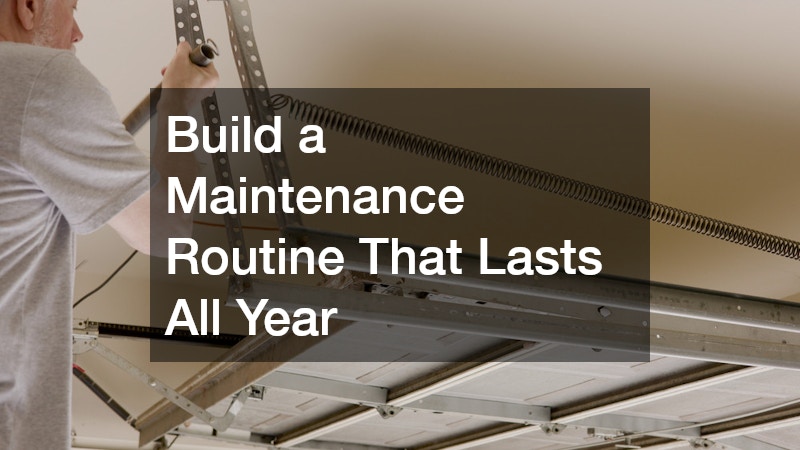
A maintenance schedule works best when it is realistic. Trying to inspect every system every month can quickly become overwhelming, especially for busy families. Instead, assign a few manageable tasks to each season and place reminders on a digital calendar. When maintenance becomes part of a regular routine rather than a special project, it is much more likely to get done.
Consider involving everyone in the household. Older children can help replace air filters, test smoke detectors, clear leaves from outdoor spaces, or report unusual sounds and leaks. Sharing responsibility not only reduces the workload but also helps everyone become more aware of the home’s condition. Small observations from different family members often lead to early detection of developing issues that might otherwise go unnoticed.
Preventing expensive repairs is not about spending every weekend working on your home. Instead, it means completing manageable maintenance tasks consistently throughout the year.
In spring, inspect drainage systems, roofing, exterior surfaces, and cooling equipment. Summer is a good time to monitor outdoor structures and landscaping. Fall should focus on preparing heating systems, cleaning gutters, and sealing air leaks. Winter is ideal for watching for moisture, frozen pipes, and indoor comfort issues.
Keeping a maintenance calendar, saving service records, and photographing areas of concern make it easier to track changes over time. Small observations today often prevent major expenses tomorrow.
Protect Your Home With Consistent Preventive Care
Every home experiences normal wear, but expensive emergencies are often preventable when maintenance becomes a habit instead of a reaction.
By paying attention to early warning signs, scheduling routine inspections, completing small repairs promptly, and knowing when to call a professional, homeowners can protect both their property and their budget. A proactive approach helps extend the life of major systems, improves safety, and reduces the likelihood of unexpected breakdowns.
Whether it is routine pool maintenance, annual HVAC maintenance, timely air conditioning repair, prompt ac repair, preventive boiler repair, regular drain cleaning, necessary roof repair, scheduled garage door maintenance, planning for electrical panel replacement, or staying ahead of everyday home repairs, consistent attention throughout the year is one of the best investments any homeowner can make.